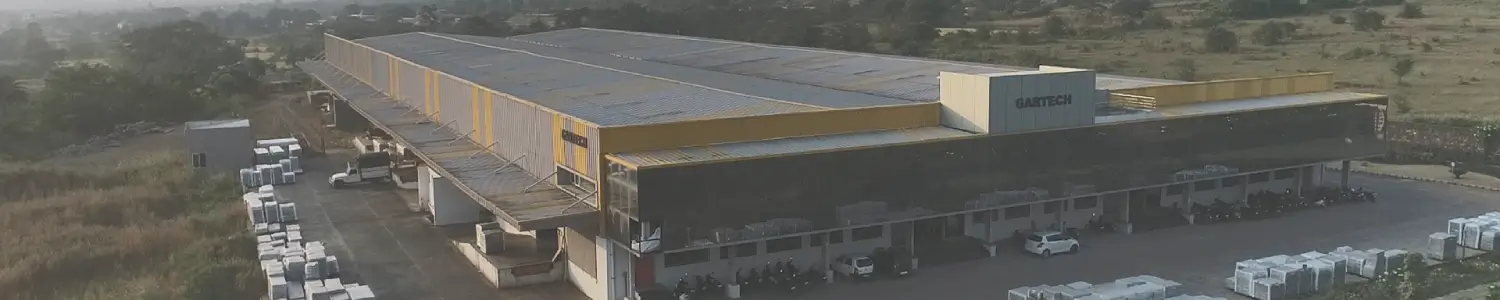
Water is often overlooked in poultry farming. Feed, biosecurity, and ventilation usually get all the attention. Yet water quietly drives bird health, flock performance, equipment lifespan, and the efficiency of automated systems. Poor water doesn't just affect growth - it can damage nipple drinkers, foggers, and cooling pads, reducing the return on your investment in automation.
If you're a farmer thinking about automation, understanding water quality isn't optional. It's the foundation of a profitable, high-efficiency farm.
The Hidden Hero of Poultry Farming
Step into a modern poultry house, and your eyes are immediately drawn to the shiny automated feeders, climate controllers, and lines of nipple drinkers. Farmers often discuss feed costs, ventilation systems, or biosecurity measures. But the one factor that quietly determines success or failure of all these systems is water quality in poultry farming.
Poultry drinks nearly twice as much water as they eat. Yet water is rarely tested or managed proactively. Poor water silently affects bird growth, equipment efficiency, and the effectiveness of your automation.
Ignoring water quality is like buying a high-end tractor and filling it with dirty fuel. The results will never match the investment.
In this guide, we'll explore why water quality matters, the risks it poses, and practical steps to protect both your flock and your automation ROI.
Why Water Quality is a Game-Changer
Water is the most consumed input on a poultry farm - but also the most overlooked. Poor water quality can:
- Reduce feed intake and slow bird growth
- Cause equipment failures such as leaky nipples, blocked foggers, and clogged cooling pads
- Increase labor and maintenance costs
- Raise mortality and reduce overall flock performance
- Undermine your automation ROI
In modern automated farms, efficiency depends on precision. Water isn't just housekeeping - it's central to productivity.
Birds consume 1.6–2 times as much water as feed. Compromised water means wasted feed, stressed birds, and underperforming equipment.
For automated systems, mastering water quality is no longer optional - it's the foundation of a scalable, high-efficiency farm.
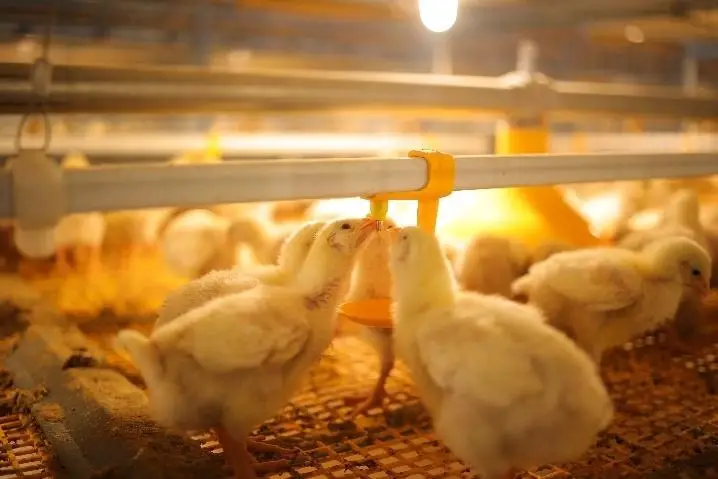
Section 1: Water Quality in Nipple Drinking Systems
Nipple drinkers revolutionized poultry automation by reducing labor and keeping water cleaner than open systems. But they're not maintenance-free. Their efficiency depends heavily on consistent water quality.
Common Problems from Poor Water in Nipple Systems:
- Mineral deposits (iron, manganese, calcium) clog nipples, causing constant dripping, wet litter, and high ammonia.
- Bacterial biofilm forms inside pipes, reducing water flow.
- Airlocks restrict water supply if lines aren't flushed properly.
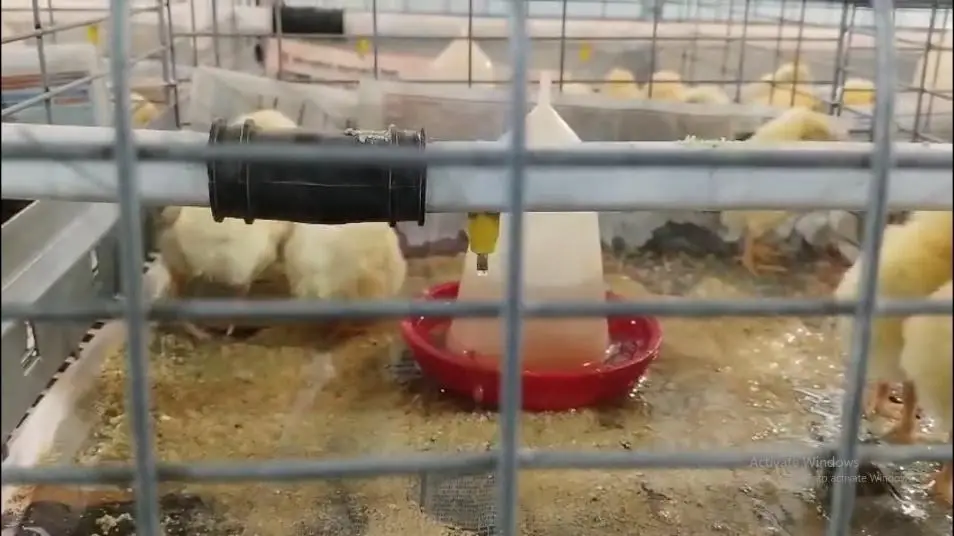
Best Practices:
- Flush lines at high pressure after every flock and after running medications, vitamins, or electrolytes.
- Check and replace filters weekly - clogged filters lead to blockages.
- Avoid running harsh chemicals through the entire line (follow standard international practice of using pH-neutral disinfectants for cleaning); clean medicators separately.
- Inspect riser tubes to ensure clear pressure monitoring.
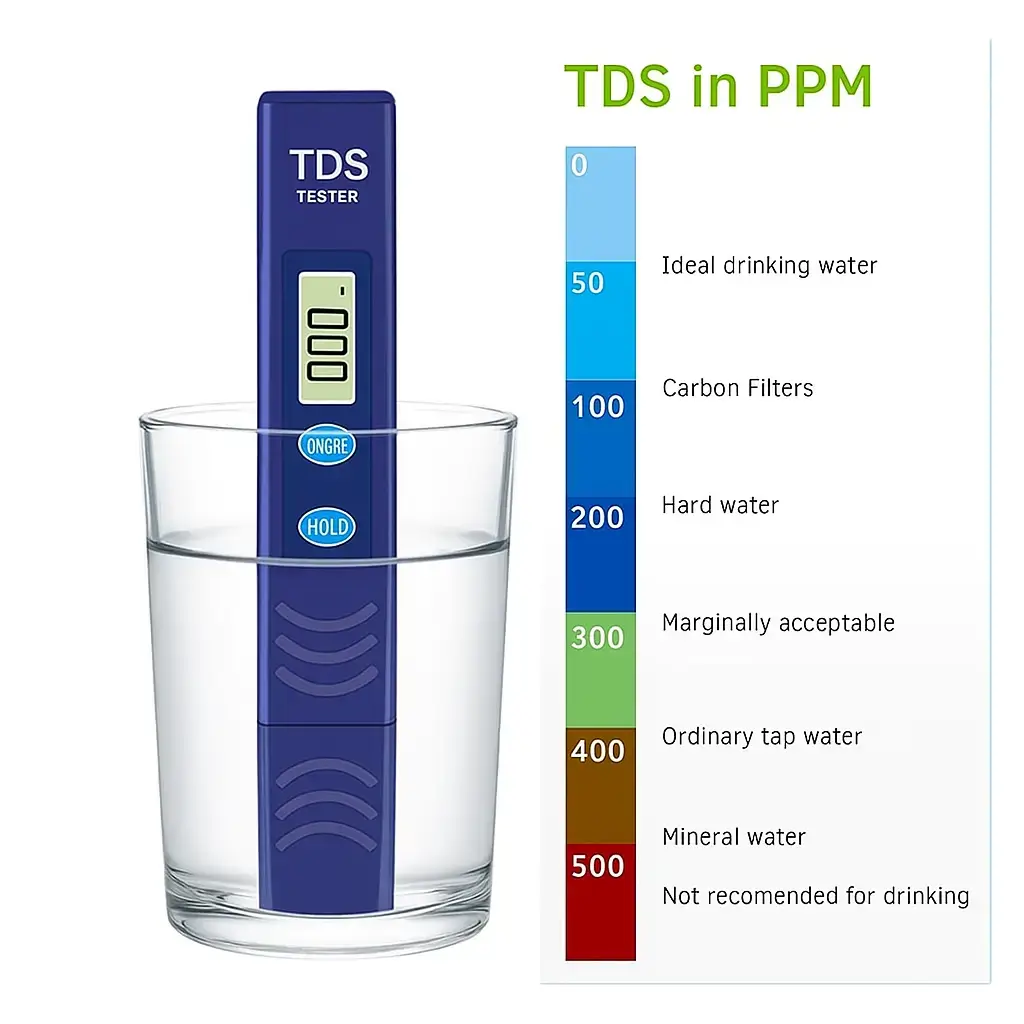
- Use Reverse Osmosis (RO) only when TDS exceeds 500 ppm or if there's significant presence of iron, manganese, or other minerals. While RO ensures high-quality water, it can be expensive and generates a considerable amount of wastewater. Always consider this before installation.
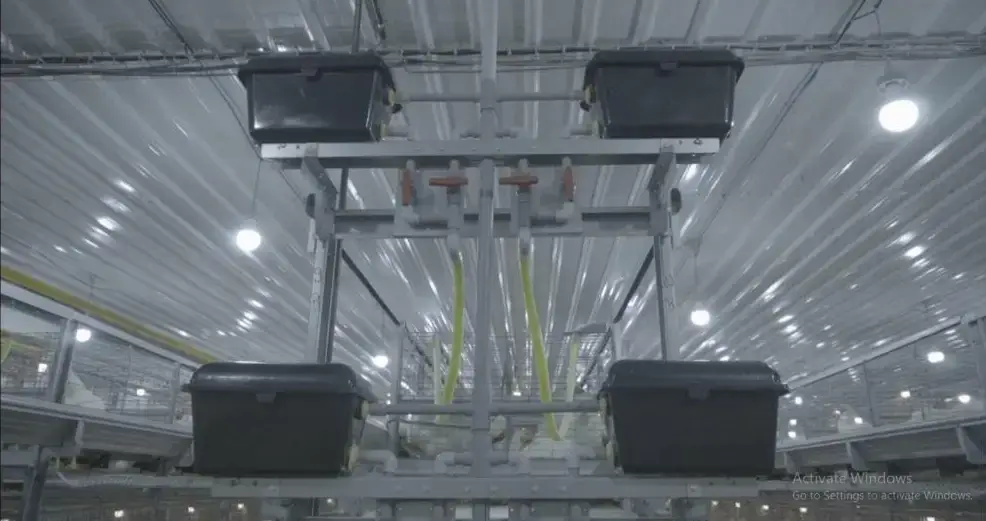
Tip: A routine water-line maintenance program costs less than 1% of operating expenses but prevents productivity losses worth 10–20%.
Section 2: Water Quality and Ventilation & Cooling Systems
Water doesn't just feed your birds - it powers your climate control systems. Cooling pads and foggers are critical for heat-stress management, especially in hot regions. Poor water affects these systems quickly.
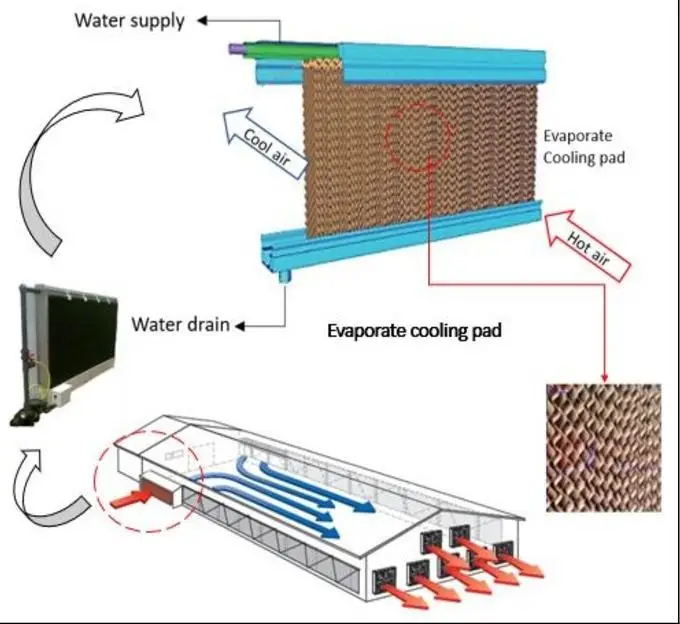
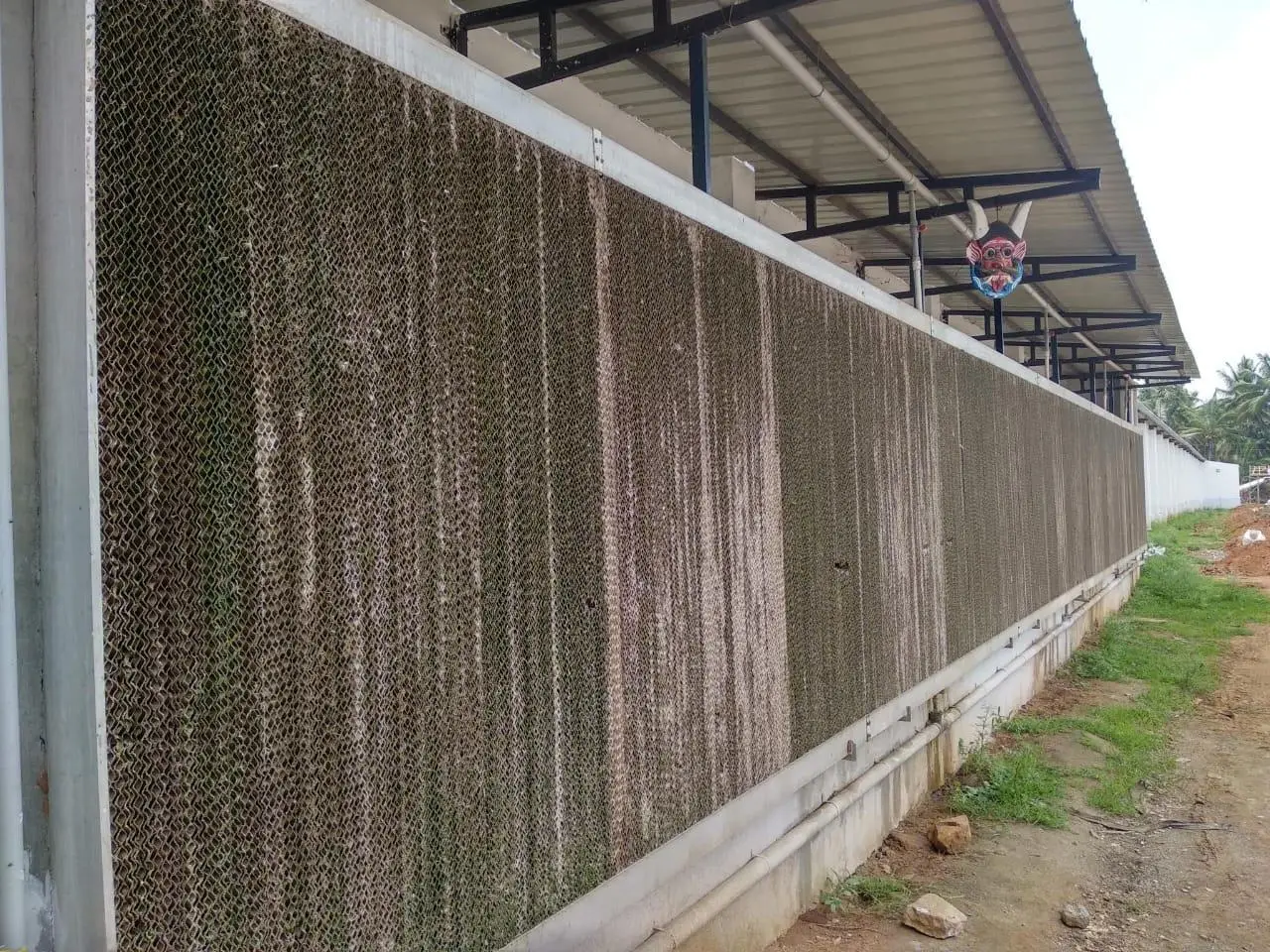
Key Issues from Poor Water:
- Scaling and pad blockage when TDS exceeds 500 ppm
- Maintain water pH between 6.5 and 8.5. Below 6.5 causes corrosion and pad damage; above 8.5 leads to scaling and salt deposits.
- Reduced pad efficiency, lowering cooling power
- Nozzle blockage in foggers from iron and manganese
- Leaky nipples and water wastage caused by mineral residues
Solutions:
- Filtration and dosing of chlorine should be mandatory for all farms to control microbial contamination and biofilm buildup.
- Ultraviolet (UV) systems can be used as an additional purification step to ensure microbial safety, especially in regions with unreliable water sources.
- Invest in RO or filtration systems based on water testing results.
- Perform regular descaling treatments in areas with high minerals.
- Monitor cooling pad condition and replace before efficiency drops.
- Bleed off at least 25% of the recirculating water from cooling systems to avoid mineral accumulation and pad clogging.
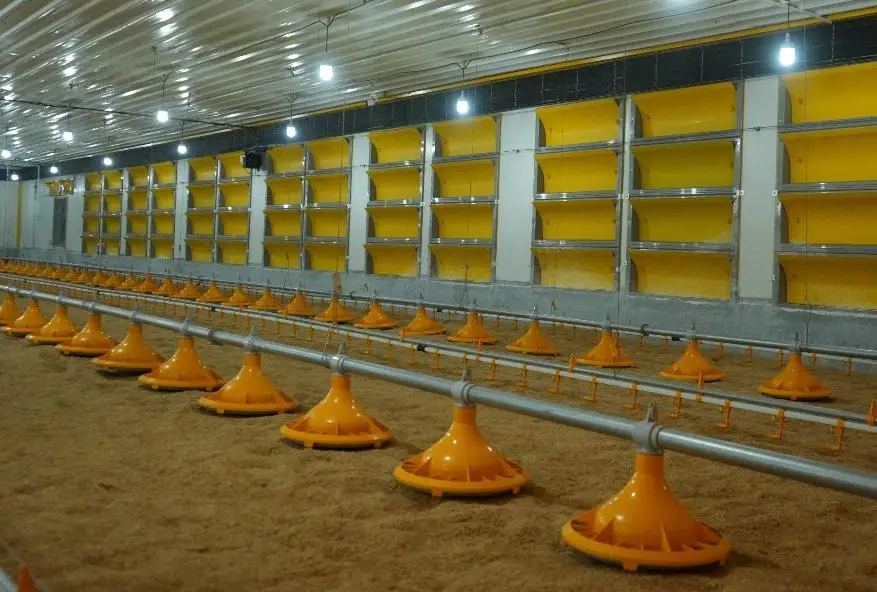
Good water ensures ventilation and cooling work efficiently, keeping birds healthy and your systems protected.
Section 3: Water for Birds - The Core Nutrient
Water is life for poultry. It drives digestion, nutrient transport, and body temperature regulation. Contaminated water directly impacts flock performance.
Effects of Poor Bird Water:
- Reduced water and feed intake → stunted growth
- Wet litter → high ammonia → respiratory stress
- Contaminated water → bacterial infections and higher mortality
Water Testing Guidelines:
- Microbial loads: E. coli, coliforms
- Mineral composition: iron, manganese, hardness, sulfates
- pH: ideally 6.5 – 8.5
Rule: If you wouldn't drink it, your birds shouldn't either.
Automation and ROI - Water as a Profit Lever
Most farmers focus on upfront costs when buying automation. But true ROI comes from long-term efficiency, where water quality is a silent enabler.
- Clean water extends the life of nipple systems and cooling pads
- Reduces breakdowns and downtime
- Protects feed conversion ratio (FCR) gains
- Prepares your farm for scalable, high-efficiency operations
Practical Steps Farmers Can Take Today
You don't need a massive budget to improve water quality. Simple, consistent actions protect your flock and automation systems:
- Test water every 6 months for chemical and microbial quality
- Flush lines after every flock and after using medications
- Replace filters proactively - don't wait for clogs
- Use RO or iron/manganese filters if TDS, Fe, or Mn are high
- Fix leaky nipples quickly to keep litter dry
- Monitor flock behavior daily - reduced intake signals water stress
High-Cost Clogs: Water in Automated Systems
Poor water affects equipment as much as birds. Here's the impact:
| System | Contaminant | Result |
|---|---|---|
| Nipple Drinkers | Fe, Mn, Ca & biofilm | Leaky nipples, wet litter, high ammonia, labor & water wastage |
| Cooling Pads | High TDS & hardness | Reduced efficiency, premature replacement |
| Fogging Nozzles | Fe & Mn | Nozzle blockage, ineffective heat-stress management |
Data Insight: Chickens tolerate iron and manganese, but these elements form solid deposits that clog equipment - treatment is essential.
Water Quality Parameters for Healthy Flocks
| Parameter | Impact | Recommended Level |
|---|---|---|
| pH | Digestion & vaccine effectiveness | 6.5 – 8.5 |
| TDS | Water intake & cooling pad scaling | < 1,000 ppm (Scaling > 500 ppm caution) |
| Hardness (Ca/Mg) | Scale buildup, disinfectant effectiveness | < 110 ppm |
| Iron (Fe) | Stains, clogs, biofilm | < 0.3 ppm |
| Manganese (Mn) | Clogs nipples & foggers | < 0.05 ppm |
| Total Coliforms | Fecal contamination risk | < 50 CFU/100ml |
Water Maintenance: Insurance for Your Automation Investment
A proactive water program costs less than 1% of operating expenses but can prevent performance losses of 10–20%.
- Testing: Every 6 months or after heavy rains/drought
- Line flushing: After every flock & medications
- Filter replacement: Weekly or as needed
- Treatment: RO, filtration, chlorine dosing, or UV based on need
- Cooling pads: Bleed 25% recirculated water regularly
- Monitoring: Daily observation of water intake & flock behavior
Small, consistent actions yield big savings and better flock performance.
Conclusion: Water - Your Hidden Asset in Poultry Farming
Water quality in poultry farming isn't just about preventing clogged nipples or scaling pads. It ensures your automation delivers ROI, your flock thrives, and your farm runs efficiently.
Farmers who invest in water testing and maintenance spend less on repairs, improve bird performance, and build a sustainable farm for the future.
At Gartech, we believe poultry automation is only as strong as the water that powers it. With our expertise and farmer-first approach, you can step confidently into the future of poultry farming.
Ready to protect your farm's water quality?
Connect with Gartech for water system solutions, maintenance support, and automation expertise designed around your farm's needs.
Get in Touch with Gartech LinkedIn
 Twitter
 WhatsApp
 Copy Link
 Send Enquiry
 Bird Calculator
 whatsapp
